
North Texas Drywall Specialists
•In-Person Estimates
•Honest. Reliable. Professional.
Restoring a wall after fire or smoke damage takes more than a fresh coat of paint — here's what the process actually involves.
Fire and smoke damage affects more than just the areas directly touched by flame. Smoke residue and heat can travel through a room, leaving soot, discoloration, and odor on walls and ceilings well beyond the original source. A proper restoration addresses all of it, not just the most visibly damaged section.
We assess the full extent of damage before starting, remove and replace drywall that can't be salvaged, seal remaining surfaces to block soot and odor from bleeding through new paint, and match texture and color so the repaired area blends into the rest of the room.
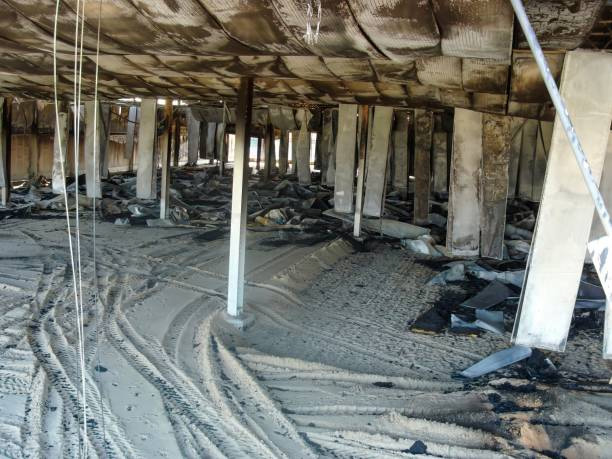
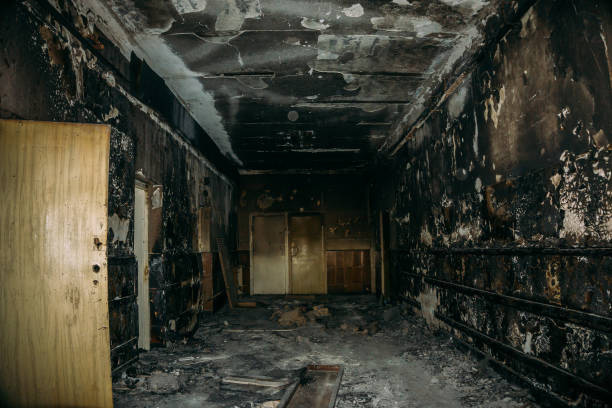
We evaluate how far smoke and heat damage extends.
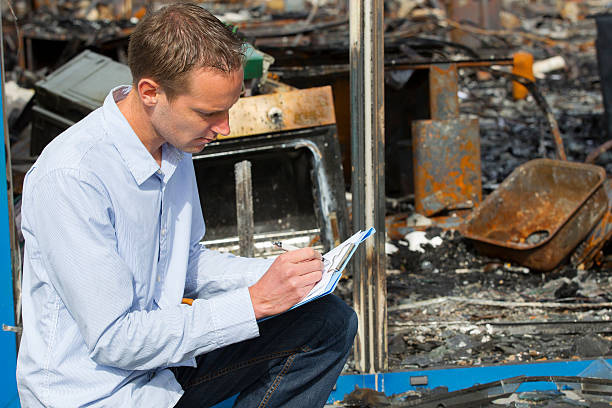
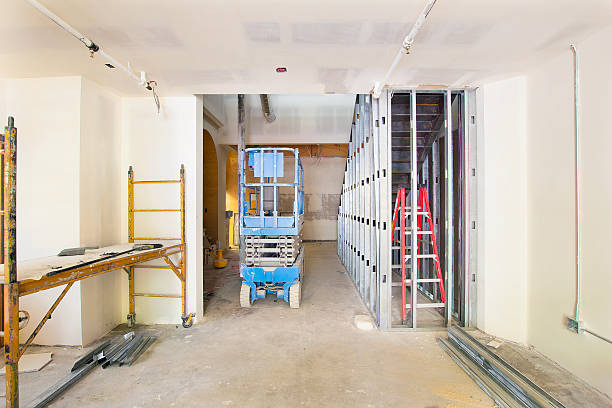
Damaged drywall is removed; remaining surfaces are sealed.
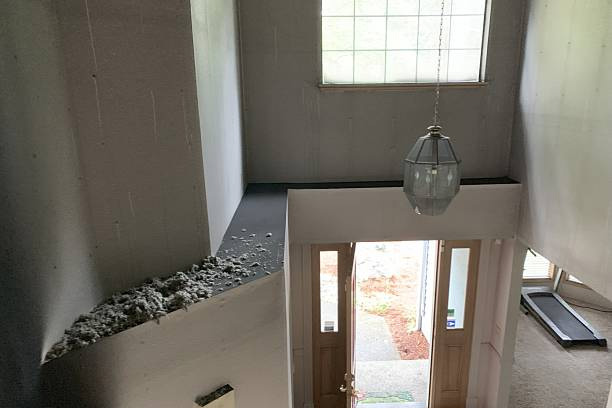
Walls are rebuilt, textured, and painted to match.
Document damage with photos for insurance purposes.
Ventilate the area if it's safe to do so.
Contact your insurance provider early in the process.
Have the full extent of damage professionally assessed.
Every fire damage situation is different, but a methodical, sealed, and properly matched repair is the standard approach for restoring affected walls and ceilings.
If odor persists after a previous repair, or discoloration reappears through new paint, the underlying smoke damage likely wasn't fully sealed and should be reassessed.
We're happy to help you understand what's normal and what's not.