
North Texas Drywall Specialists
•In-Person Estimates
•Honest. Reliable. Professional.
Consistent moisture — not too much, not too little — is one of the best things you can do for your foundation.
Because North Texas sits on expansive clay soil, water management around your home matters more here than in many other parts of the country. Too much water pooling near the foundation causes the soil to swell unevenly; too little water during hot, dry stretches causes it to shrink and pull away. Both extremes create movement that can show up as cracks inside your home.
The goal isn't to avoid water altogether — it's to keep moisture levels around your foundation as consistent as possible throughout the year, especially during the swing between North Texas's hot summers and wetter spring and fall seasons.
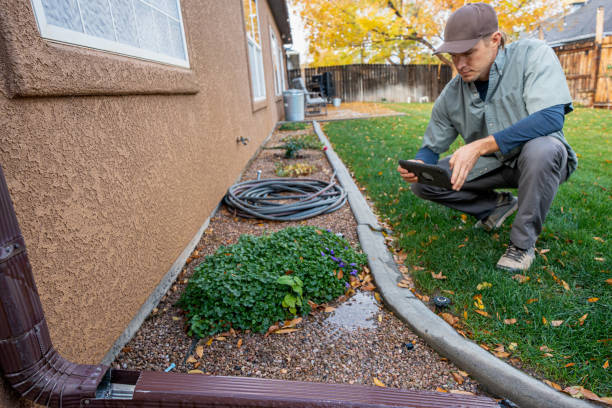
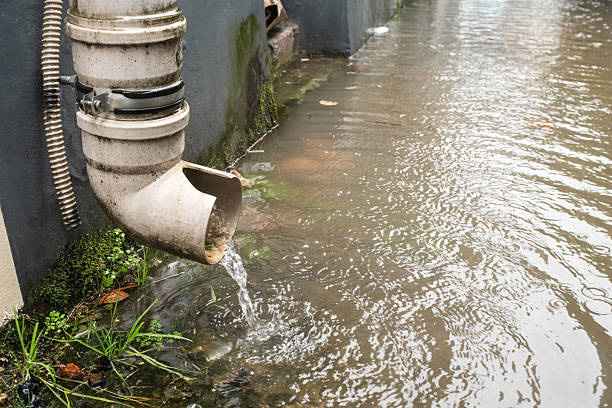
Water overflows and pools near the foundation.
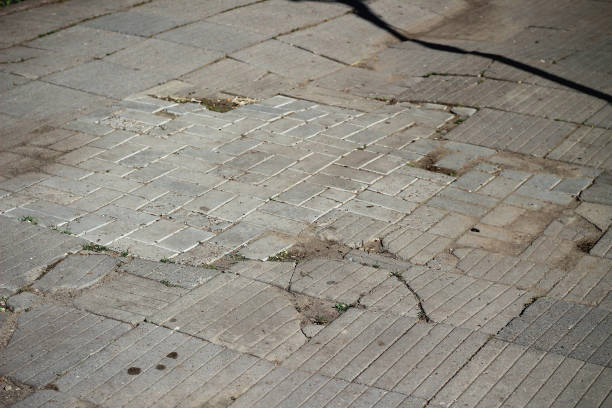
Ground that slopes toward the house directs water inward.
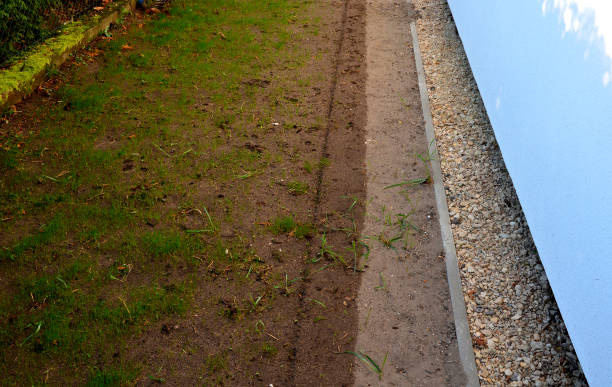
Dry spots and soaked spots cause uneven soil movement.
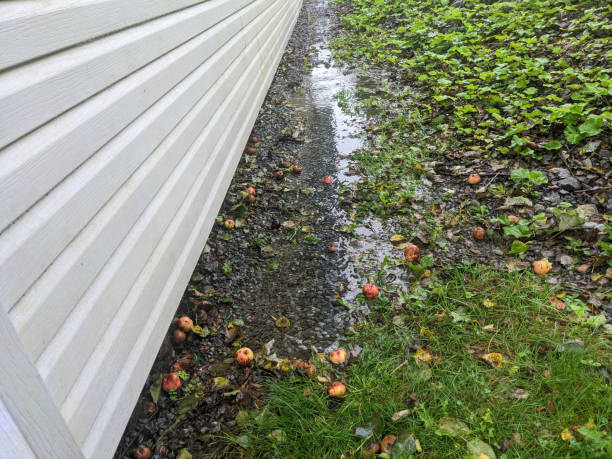
Clean gutters and downspouts regularly.
Proper drainage and avoiding standing water near a home can help reduce uneven moisture conditions
Keep gutters and downspouts clear, watch for standing water or erosion, and direct water away from the home.
For guidance on moisture management, drainage concerns, or foundation movement at your specific property, contact a qualified foundation specialist.
Some seasonal moisture change is completely normal. The goal is simply to avoid extreme swings between soaked and bone-dry soil right next to your foundation.
Persistent standing water, visible erosion next to the foundation, or new cracking after heavy rain should be evaluated by a qualified drainage or foundation professional.
We're happy to help you understand what's normal and what's not.